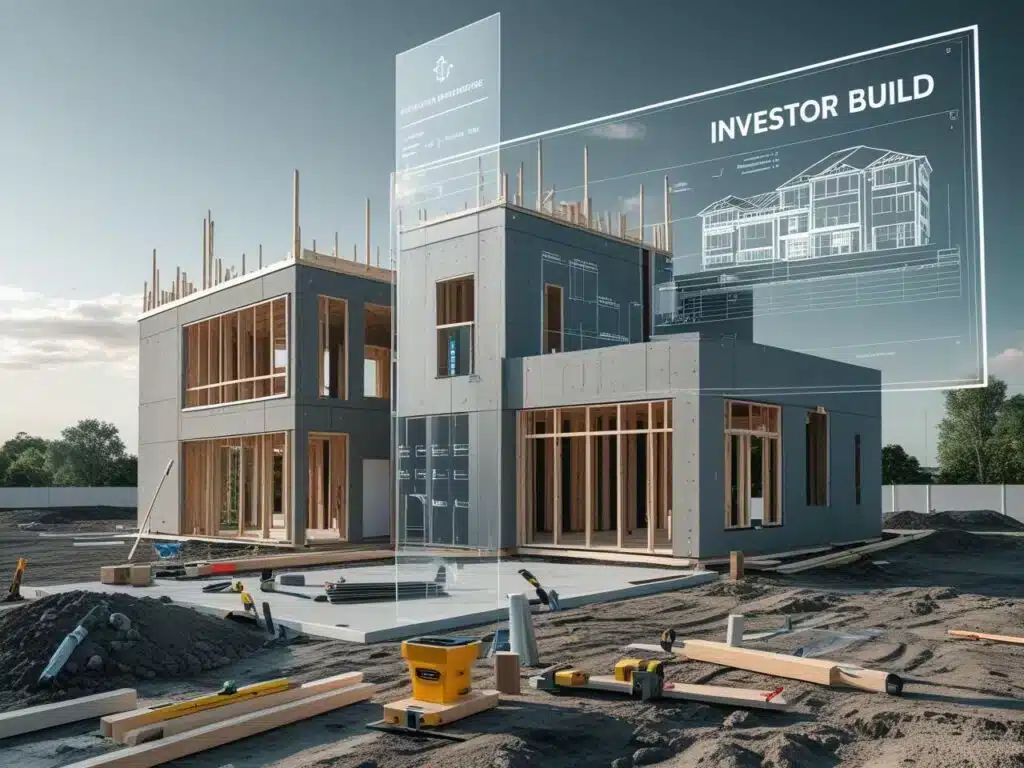
Picture this. You bought a lot in Waxhaw, picked a floor plan, and signed with a builder. The framing crew has not shown up yet, but you are already running numbers on your future mortgage payment.
Then a thought hits you. What if rates change before the house is finished?
It is a fair worry. A custom build takes a while, and your permanent mortgage does not start until the work is done. That gap is where the rate question lives.
This is why a construction to permanent loan rate lock during build deserves more than a footnote. How your rate is protected, for how long, and at what cost can shape your monthly payment for years after you move in.
The good news is that you have choices.
Some programs offer a longer lock up front. Some may offer a float-down if rates drop. Others set the final rate when the loan converts. Each path comes with its own trade-offs.
This guide walks through each one in plain English. There are no predictions here about where rates are headed. You will just get a clear look at your options, so you can pick the one that fits your build and your comfort with risk.
What a Rate Lock Actually Means
A rate lock is a promise from the lender to hold a specific interest rate for a set window. While that window is open, market swings do not change your rate.
With a locked interest rate, your rate stays put even if market rates go up. The catch is that every lock has an end date. If your loan is not ready by then, the lock can expire, and you may need to extend it or accept whatever rate is available at that point.
On a regular home purchase, the lock mainly needs to cover the stretch until closing. A build is different, because the home does not exist yet.
Two Stages: How a Construction to Permanent Loan Works
A construction to permanent loan pays for the build first and then turns into a regular mortgage. That means there are really two stages to think about.
- The build period: This is when your home is under construction. During this stage, the loan carries a construction phase rate, and how payments work varies by program.
- The permanent stage: Once the home is finished, the loan converts into your long-term mortgage, with its own rate.
The big question is when that permanent rate gets set. Some programs set it at the start. Others set it at conversion. That one difference changes how much rate protection you have while the house goes up.
If you are just getting started, our construction loans page covers the basics of financing a build.
How a Construction to Permanent Loan Rate Lock During Build Can Be Set Up
Not every program handles the lock the same way. These are the three setups you are most likely to see.
| Lock Setup | How It Works | What You Gain | The Trade-Off |
| Longer lock up front | The permanent rate is locked at the start and held through the build period | Rate protection if rates rise | Longer locks often cost more, and the fee varies by program |
| Lock with a float-down option | The rate is locked, but you may be able to move to a lower rate if rates fall | Protection on the way up and a possible benefit on the way down | Only some programs offer it, and conditions or costs may apply |
| Re-lock at conversion | The permanent rate is set once the build is done | May avoid an upfront lock fee | No protection if rates rise during the build |
None of these is the right answer for everyone. With any construction to permanent loan rate lock during build, the best fit comes down to three things: how long your build may take, how much payment risk you can live with, and what each option costs.
What Happens If Rates Move During Your Build
Rates can move in either direction while your home goes up. Here is how each setup plays out in both cases.
If Rates Go Up
If your permanent rate is locked and the lock is still active, a rise in market rates should not change it. That is the whole point of rate protection. If you chose to re-lock at conversion, though, you would take the rate available when the home is finished, even if it is higher.
If Rates Go Down
A locked rate usually stays where it is, even when market rates fall. That is the downside of locking early. A float-down option, on programs that offer one, may let you move to a lower rate under certain conditions. And if you planned to re-lock at conversion, a drop would work in your favor.
Rate Lock Extension: When the Build Runs Long
Builds do not always finish on schedule. Weather, permits, and material delays can all push the finish line back.
If your lock window ends before the house is done, you may need a rate lock extension. Some programs allow extensions, and there may be a cost. The fee and the length depend on the lender and the program.
A few steps can lower the risk:
- Ask your builder for a realistic schedule with some cushion built in.
- Ask the lender how extensions work before you lock.
- Find out whether the extension cost is set ahead of time or decided later.
- Keep some extra savings on hand in case you need to pay for one.
This matters a lot for relocators building ahead of a move from places like New York, New Jersey, or Florida. If your move date depends on the house, a delay can affect both your rate and your plans.
Float-Down Options, Explained Simply
A float-down is a feature that may let you lower a locked rate if market rates drop. It is not offered on every program.
Here is the basic idea. You lock your rate, and if rates fall enough before a certain point, you may be able to request the lower rate. Conditions may apply, and some programs charge for it.
Before you count on one, ask these questions:
- Is a float-down offered on this program?
- What has to happen for it to apply?
- Is there a cost?
- Can it be used during the build, at conversion, or both?
If the answers are not clear, plan around your locked rate and count any float-down as a bonus, not a given.
Choosing the Right Rate Protection for Your Build
The right lock depends less on guessing where rates will go and more on what your budget can handle. A few honest questions can point you in the right direction.
- Would a higher payment after the build strain your budget? A longer lock may be worth the cost.
- Is your budget flexible, and would you rather skip upfront lock fees? Re-locking at conversion may fit.
- Do you want protection with some room to benefit if rates fall? Ask about programs with a float-down.
Move-up buyers building a larger home in Huntersville, Cornelius, or Davidson may also be looking at bigger loan amounts. If your loan heads into jumbo loan territory, lock options can differ again, so ask early. And if steady payments matter most to you, look at how a fixed-rate mortgage could fit once the home is done.
Why a Broker View Helps With Rate Locks
A single bank may offer only one lock setup. A broker can show you several side by side.
On Point Home Loans, Inc. works with 200+ lenders and has 50+ years of experience, so you are not stuck with one bank’s lock rules. You can compare longer locks, float-down programs, and re-lock options together and see the costs before you commit.
On Point Home Loans, Inc. holds licenses in NC, SC, GA, and MI. Whether you are building in Indian Trail, Matthews, Waxhaw, or another growing town near Charlotte, you can line up your rate plan before the first shovel hits the dirt.
Start Your Build With a Clear Rate Plan
The best time to sort out your rate lock is before construction begins. A short conversation now can make the whole build feel calmer.
Call now, or reach out through our contact page to schedule a call with an advisor. When you are ready, start an application. From there, our team can help you line up the rate protection that fits your build.
Frequently Asked Questions
Here are answers to the rate lock questions people ask most when they plan a custom build.
Can I lock my rate before construction starts?
It depends on the program. Some construction to permanent loans let you lock the permanent rate at the start, which gives you rate protection while the lock is active. Others set the final rate at conversion, once the home is finished. Whether a lock is available up front, and what it costs, varies by lender. A longer lock often comes with a higher fee, so it helps to compare that cost against the risk of a higher rate later. Before you sign with a builder, ask which setup each program uses so you can plan your budget with fewer surprises.
What happens if my rate lock expires before the house is finished?
If the lock ends before the home is done, you may be able to buy a rate lock extension. The cost and the length of an extension vary by lender and program. If you do not extend, you may have to accept the rate available at that time, which could be higher or lower than your locked interest rate. To lower the risk, ask about extension rules before you lock. It also helps to build some cushion into your schedule and your savings, since outside delays can slow a build down.
What is a float-down option on a construction loan?
A float-down option is a feature that can let you switch to a lower rate when market rates drop after you lock. It is program-dependent, so not every construction to permanent loan offers one. Where it is available, there are usually conditions, such as how far rates need to fall and when you can request the change. Some programs also charge for it. Because of that, it is smart to plan your budget around the rate you locked. If a float-down is offered and the conditions are met, think of it as a bonus rather than part of your plan.
Is the construction phase rate the same as my permanent rate?
Not always. The construction phase rate applies while the home is being built. Its terms, including how payments work during that stage, are set by the program you choose. The permanent rate applies after the loan becomes your long-term mortgage. Some programs lock in the permanent rate early, while others wait until conversion. How the two rates relate to each other depends on the program and the lender. Before you choose, ask which rate applies during each stage, when the permanent rate gets set, and what rate protection you have in between. Clear answers make the build much less stressful.
Should I lock my rate now or wait until the build is done?
No one can say for sure where rates will go, so the better question is what your budget can handle. If rising payments would be hard to absorb, paying for a longer lock can make sense. If you have breathing room and want to avoid lock fees, waiting to set the rate at conversion might suit you better. A program with a float-down can offer some of both, where available. Comparing the cost of each setup side by side, with an advisor who can show several programs, is the clearest way to make the call.